
Airborne LiDAR Market Set for Explosive Growth
New York, US, - [19 December 2025] - The global Airborne Light Detection and Ranging (LiDAR) market is on the cusp of significant expansion, driven by advancements in technology, increasing demand for accurate mapping solutions, and the growing adoption of LiDAR in various industries. The Airborne Lidar Market size is expected to reach US$ 2.24 billion by 2031. The market is anticipated to register a CAGR of 14.2% during 2025-2031.
Market Overview
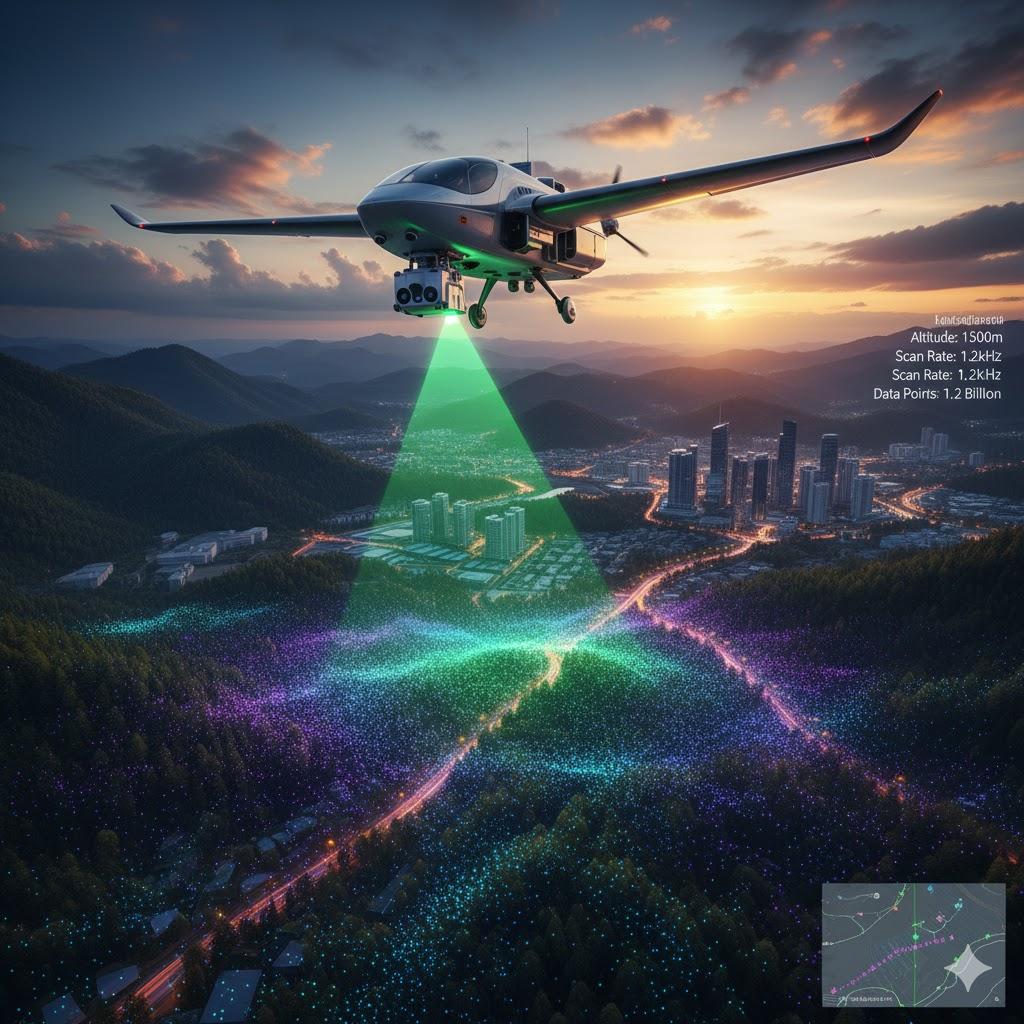
Airborne LiDAR technology utilizes laser light to measure distances and create high-resolution maps of the Earth's surface. This technology has gained traction across various sectors, including forestry, agriculture, urban planning, and environmental monitoring, due to its ability to collect precise data quickly and efficiently.
The increasing need for detailed topographical data and 3D modeling is propelling the demand for airborne LiDAR systems. As industries seek to improve operational efficiency and decision-making processes, the adoption of LiDAR technology is becoming essential.
Key Market Drivers
1. Growing Demand for Accurate Mapping: The need for precise geospatial data is driving the adoption of airborne LiDAR in applications such as land surveying, infrastructure development, and environmental assessments. LiDAR's ability to penetrate vegetation and provide accurate ground elevation data is a significant advantage.
2. Technological Advancements: Innovations in LiDAR technology, including improvements in sensor capabilities, data processing algorithms, and integration with other technologies like GIS (Geographic Information Systems), are enhancing the performance and usability of airborne LiDAR systems.
3. Increased Investment in Infrastructure Development: Governments and private sectors are investing heavily in infrastructure projects, including transportation, utilities, and urban development. Airborne LiDAR provides critical data that supports planning and execution, making it an invaluable tool for project stakeholders.
4. Environmental Monitoring and Management: With growing concerns about climate change and environmental degradation, airborne LiDAR is increasingly used for monitoring forest health, assessing flood risks, and managing natural resources. Its ability to provide detailed data on vegetation and terrain is crucial for effective environmental management.
Regional Insights
North America currently dominates the airborne LiDAR market, accounting for a significant share due to the presence of key market players and extensive investments in technology. The United States, in particular, is leading the way with numerous applications across various industries, including defense, agriculture, and urban planning.
Europe follows closely, driven by stringent regulations and a strong focus on environmental sustainability. Countries like Germany and the UK are at the forefront of adopting LiDAR for infrastructure development and environmental monitoring.
Read More: - https://www.theinsightpartners.com/reports/airborne-lidar-market
New York, US, - [19 December 2025] - The global Airborne Light Detection and Ranging (LiDAR) market is on the cusp of significant expansion, driven by advancements in technology, increasing demand for accurate mapping solutions, and the growing adoption of LiDAR in various industries. The Airborne Lidar Market size is expected to reach US$ 2.24 billion by 2031. The market is anticipated to register a CAGR of 14.2% during 2025-2031.
Market Overview
Airborne LiDAR technology utilizes laser light to measure distances and create high-resolution maps of the Earth's surface. This technology has gained traction across various sectors, including forestry, agriculture, urban planning, and environmental monitoring, due to its ability to collect precise data quickly and efficiently.
The increasing need for detailed topographical data and 3D modeling is propelling the demand for airborne LiDAR systems. As industries seek to improve operational efficiency and decision-making processes, the adoption of LiDAR technology is becoming essential.
Key Market Drivers
1. Growing Demand for Accurate Mapping: The need for precise geospatial data is driving the adoption of airborne LiDAR in applications such as land surveying, infrastructure development, and environmental assessments. LiDAR's ability to penetrate vegetation and provide accurate ground elevation data is a significant advantage.
2. Technological Advancements: Innovations in LiDAR technology, including improvements in sensor capabilities, data processing algorithms, and integration with other technologies like GIS (Geographic Information Systems), are enhancing the performance and usability of airborne LiDAR systems.
3. Increased Investment in Infrastructure Development: Governments and private sectors are investing heavily in infrastructure projects, including transportation, utilities, and urban development. Airborne LiDAR provides critical data that supports planning and execution, making it an invaluable tool for project stakeholders.
4. Environmental Monitoring and Management: With growing concerns about climate change and environmental degradation, airborne LiDAR is increasingly used for monitoring forest health, assessing flood risks, and managing natural resources. Its ability to provide detailed data on vegetation and terrain is crucial for effective environmental management.
Regional Insights
North America currently dominates the airborne LiDAR market, accounting for a significant share due to the presence of key market players and extensive investments in technology. The United States, in particular, is leading the way with numerous applications across various industries, including defense, agriculture, and urban planning.
Europe follows closely, driven by stringent regulations and a strong focus on environmental sustainability. Countries like Germany and the UK are at the forefront of adopting LiDAR for infrastructure development and environmental monitoring.
Read More: - https://www.theinsightpartners.com/reports/airborne-lidar-market
Airborne LiDAR Market Set for Explosive Growth
New York, US, - [19 December 2025] - The global Airborne Light Detection and Ranging (LiDAR) market is on the cusp of significant expansion, driven by advancements in technology, increasing demand for accurate mapping solutions, and the growing adoption of LiDAR in various industries. The Airborne Lidar Market size is expected to reach US$ 2.24 billion by 2031. The market is anticipated to register a CAGR of 14.2% during 2025-2031.
Market Overview
Airborne LiDAR technology utilizes laser light to measure distances and create high-resolution maps of the Earth's surface. This technology has gained traction across various sectors, including forestry, agriculture, urban planning, and environmental monitoring, due to its ability to collect precise data quickly and efficiently.
The increasing need for detailed topographical data and 3D modeling is propelling the demand for airborne LiDAR systems. As industries seek to improve operational efficiency and decision-making processes, the adoption of LiDAR technology is becoming essential.
Key Market Drivers
1. Growing Demand for Accurate Mapping: The need for precise geospatial data is driving the adoption of airborne LiDAR in applications such as land surveying, infrastructure development, and environmental assessments. LiDAR's ability to penetrate vegetation and provide accurate ground elevation data is a significant advantage.
2. Technological Advancements: Innovations in LiDAR technology, including improvements in sensor capabilities, data processing algorithms, and integration with other technologies like GIS (Geographic Information Systems), are enhancing the performance and usability of airborne LiDAR systems.
3. Increased Investment in Infrastructure Development: Governments and private sectors are investing heavily in infrastructure projects, including transportation, utilities, and urban development. Airborne LiDAR provides critical data that supports planning and execution, making it an invaluable tool for project stakeholders.
4. Environmental Monitoring and Management: With growing concerns about climate change and environmental degradation, airborne LiDAR is increasingly used for monitoring forest health, assessing flood risks, and managing natural resources. Its ability to provide detailed data on vegetation and terrain is crucial for effective environmental management.
Regional Insights
North America currently dominates the airborne LiDAR market, accounting for a significant share due to the presence of key market players and extensive investments in technology. The United States, in particular, is leading the way with numerous applications across various industries, including defense, agriculture, and urban planning.
Europe follows closely, driven by stringent regulations and a strong focus on environmental sustainability. Countries like Germany and the UK are at the forefront of adopting LiDAR for infrastructure development and environmental monitoring.
Read More: - https://www.theinsightpartners.com/reports/airborne-lidar-market
0 Comments
0 Shares